Archived writing sample. Originally published by Overlander.com on April 20, 2022. Imported from the author’s WordPress archive for review.
By Patrick Rich.
Originally published on Wednesday, April 20, 2022 for Overlander.com
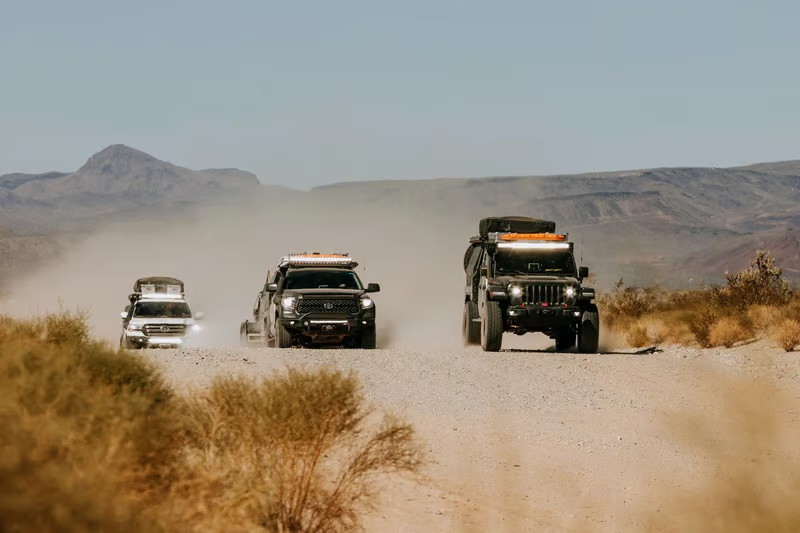
Well, it’s happened again like it always seems to do. Gas prices are up and our big thirsty overland vehicles are suffering more than the average. So, short of selling the lot or giving up gas power entirely, what can we do to make the most of the fuel we have so our journeys can keep on happening?
At this point you have likely heard fuel tips before from 100 different sources, so I’m not going to retread on the same old topics. Instead I have a few tailored tips for the overland crowd that you may or may not have heard before, to help you keep your travel going without draining your wallet.
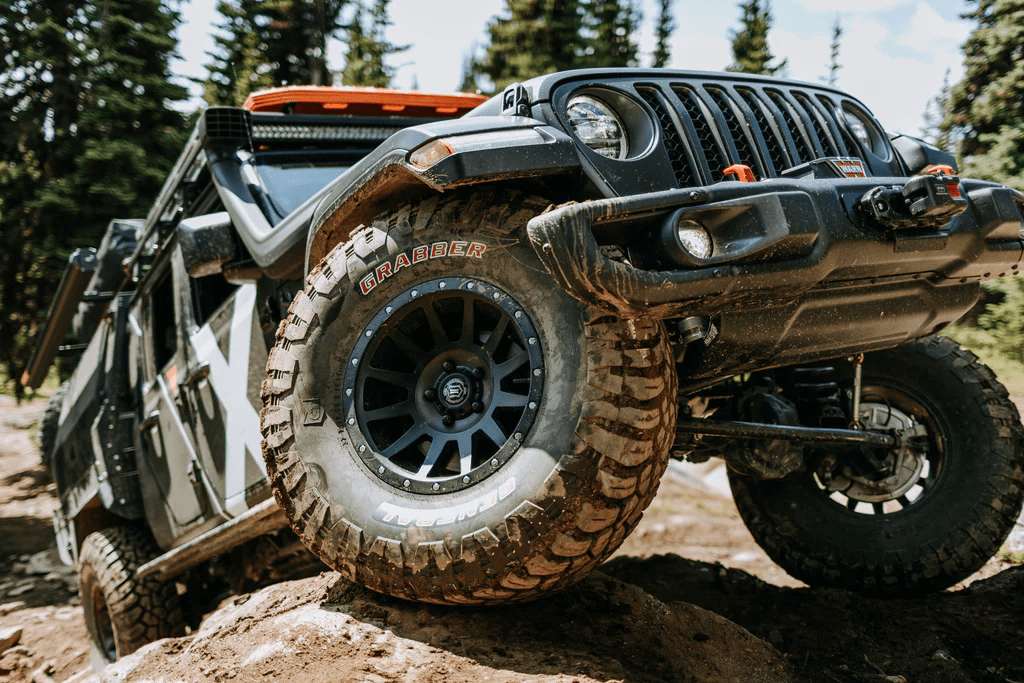
CHECK YOUR TIRE PRESSURE (AND YOUR LOAD RATING) One of the first - and best - mods for an overlander is a more aggressive tire. Going from a street biased tire to an all terrain tire, a mud terrain tire, and/or a larger tire usually means two things: * A heavier tire * A tire with a different load rating
P (passenger) or SL (severe load) rated tires that come on most vehicles aren’t meant for heavy weights and abuse, and many times your new tire will end up in the next rating category, LT (Light Truck). If your new tire changes load rating, you may need to change your tire pressure, and not in the way you might expect.
LT tires are rated by their load capacity from B (lowest) to F (highest). More accurately, they are rated by the pressure they can take. After all, it’s not the tire that supports the weight of the vehicle, it’s the air inside them. B rated tires are rated at 35 PSI max pressure, C rated at 50 and so on in 15 PSI increments to F. With each increase in max pressure, max load increases. However, it’s not linear. A C rated tire might have a load capacity of 2700 pounds at 50 PSI. The same tire that is E rated will have a load capacity of 3750 pounds at 80 PSI. That’s a 1.4X load increase for a 1.6X PSI increase. The C rated tire can carry 54 pounds of load for each PSI while the E rated can only carry 47 pounds per PSI. You may see where this is going.
Example: On my Land Cruiser, the stock tire is an SL rated tire, which is the equivalent of C rated LT tire, rated at 2200 pounds at the factory 32 PSI. More than enough to meet GVWR and a little safety margin. When I went to 33 inch tires, I moved automatically to an LT E rated tire. I assumed at the time because I had a bigger, stronger tire that my pressures for my nearly stock weight cruiser wouldn’t change, or maybe even go down. It turns out it’s actually the opposite. When I take the 2140 pounds of load the factory assumes, and apply the 47 pounds/PSI, I end up with 46 PSI!
The US Department of Energy calculates that underinflated tires cost you roughly .2% efficiency per pound of pressure under. For me that came out to 2.4%. That doesn’t sound like much but it does add up and I’ve seen better mileage in my own math since my change.
You can fi nd your tire’s information by searching for [your tire] load chart. Find your load per PSI of your new tire and your old and apply the formula, or use this site to do it for you.
Remember to check pressures when “cold”, before you’ve driven on them. On the road, do the 10% check to make sure you aren’t underinflated. When you stop for gas, check your hot pressure. Is it within 10% of the cold pressure? If it’s more than 10%, add pressure. Too little air is supporting the load, causing the tire to flex and generating excess heat in the sidewall which causes a pressure increase. More air is needed to support the weight.
SLOW DOWN
Aerodynamic drag plays a huge factor in your highway mileage. The reason is simply that the forces of drag increase with the square of the speed. What that means is going from 40 mph to 80 mph doesn’t take twice the energy to fight the air, it takes four times as much. All things being equal, just dropping from 75 to 70 mph reduces the aerodynamic load on your vehicle 13% and from 75 to 65 by 25%.
GET THAT STUFF OFF YOUR ROOF
Look, if you need it up there, you need it up there and fuel economy is just going to be what it is. However, if you have a choice, get anything off the roof that you don’t need, at least for the highway portion.
First off, roof loads DESTROY your vehicle’s coefficient of drag. The Coefficient of drag (Cd) is a measure of how slippery your car is with respect to the wind. A great car is under .25, a wall is 1 and something like a4Runner is .36.
One study suggests a rack alone (not loaded) increases your Cd 20.4%. Not only does it increase drag, it increases the frontal area, or the amount of car the wind “sees”. This same study suggests this empty rack increases the frontal area 1.2%. Of course these problems compound with each other andthe speed issue.
Using the study’s figures, a current 4Runner with a rack and ladder at 70 mph pushes 22% harder against the wind than without - That’s the same as dropping from 70 to 62 mph without a rack. It makes a difference.
On a related note, lower or remove any radio antenna, WeBoost or anything sticking up into the wind for your high speed driving if you don’t need them. Small items can create powerful vortices which add a disproportionate amount of drag.
For best range, keep as much as is practical inside and out of the wind. For fuel and other items that aren’t convenient to store internally, there are options.
STAY OUT OF BOOST
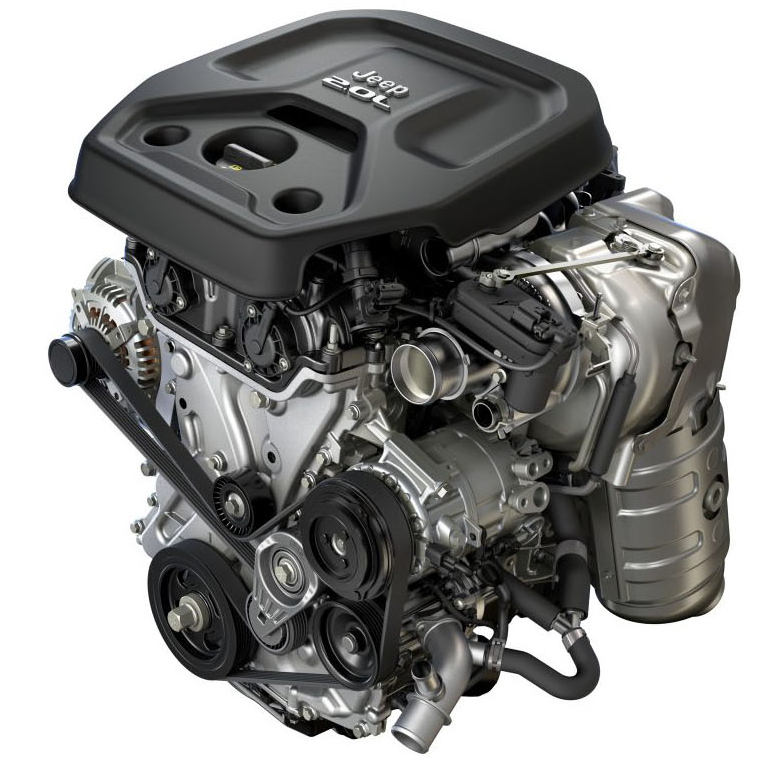
Small turbo engines are becoming very popular in lieu of larger naturally aspirated engines. Generally speaking, downsized turbo engines have efficiency and consumption advantages at low loads (cruising) and are generally more thirsty and less efficient at high loads compared to naturally aspirated engines. The trick here is to know when your engine is loaded or unloaded and try to keep the engine out of boost. Vehicles don’t typically come with boost gauges anymore but in most cases you should be able to feel when you are in boost. The easiest way to stay out of boost - reduce your aerodynamic drag and slow down.
CONCLUSION
Added up these small changes can make a big difference on your economy. These aren’t really anything new- You and I have known these instinctively for a while. I hope that by putting some context and overlander specific detail you have a better understanding of their effects and benefits. Are these all the fuel saving tips an overlander could use? No, but I hope you found them helpful.